
// We Build It
AI Assistants
Your team answers the same questions, retypes the same documents, and drafts the same emails every week. We build AI assistants that do that work instead.
// We Build It
Your team answers the same questions, retypes the same documents, and drafts the same emails every week. We build AI assistants that do that work instead.
Overview
Most of this work already gets done by people, at a cost you've stopped noticing because it's spread thin across everyone's week. An assistant is worth building when a task repeats, has a right answer somewhere in your own material, and eats hours that should go somewhere better. When a task fails that test, we'll say so. A bad fit doesn't get cheaper by adding AI to it.
So we start with your process, not with a demo. We look at how the work actually runs: who touches it, where it stalls, what gets re-done. We pick the one task where an assistant carries real weight and you'd notice if it stopped. That first build is deliberately narrow. Narrow is what makes it provable, and proof is what makes the second one an easy decision.
Then we make it accountable. It answers from your documents instead of guessing, it says it doesn't know rather than inventing something, and it hands off to a person the moment a question stops being routine. The whole exchange is logged, so you can see exactly what it told your customer. Your team stops being the first line and becomes the exception handler, which is the part of the job you hired them for.
We were building this the hard way before you could buy it off a shelf: computer vision, detection, and forecasting models trained on each project's own data, which is the work you'll see below. That's the difference between wiring up an API and knowing what a model will do when your business hands it something it has never seen.
What We Build
Ideal For
Need one of these, or something close to it?
Talk about this service →01
A few lines is enough: what it should do, who will use it, and any date you're working to. It's read by the senior engineer who would build it.
02
A call about the problem, not a spec sheet: who it's for, what the first version must do, and what can wait for the second.
03
Once you've decided to go ahead, you get one fixed price and one timeline when the scope is predictable, and hourly billing when it genuinely isn't.
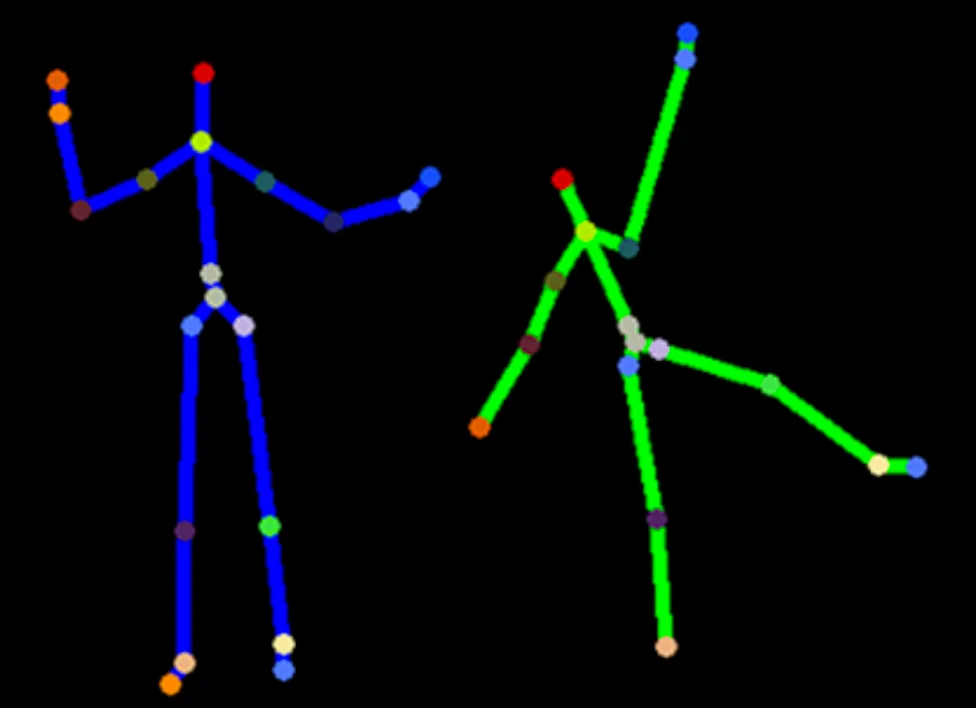
AI Assistants
Deaf and hard-of-hearing signers still hit a wall in everyday conversations with people who don't know sign language. Reading American Sign Language automatically is genuinely hard: gestures unfold as motion over time, not as single frozen poses, so a system has to understand movement, not just shapes.
Client Confidential
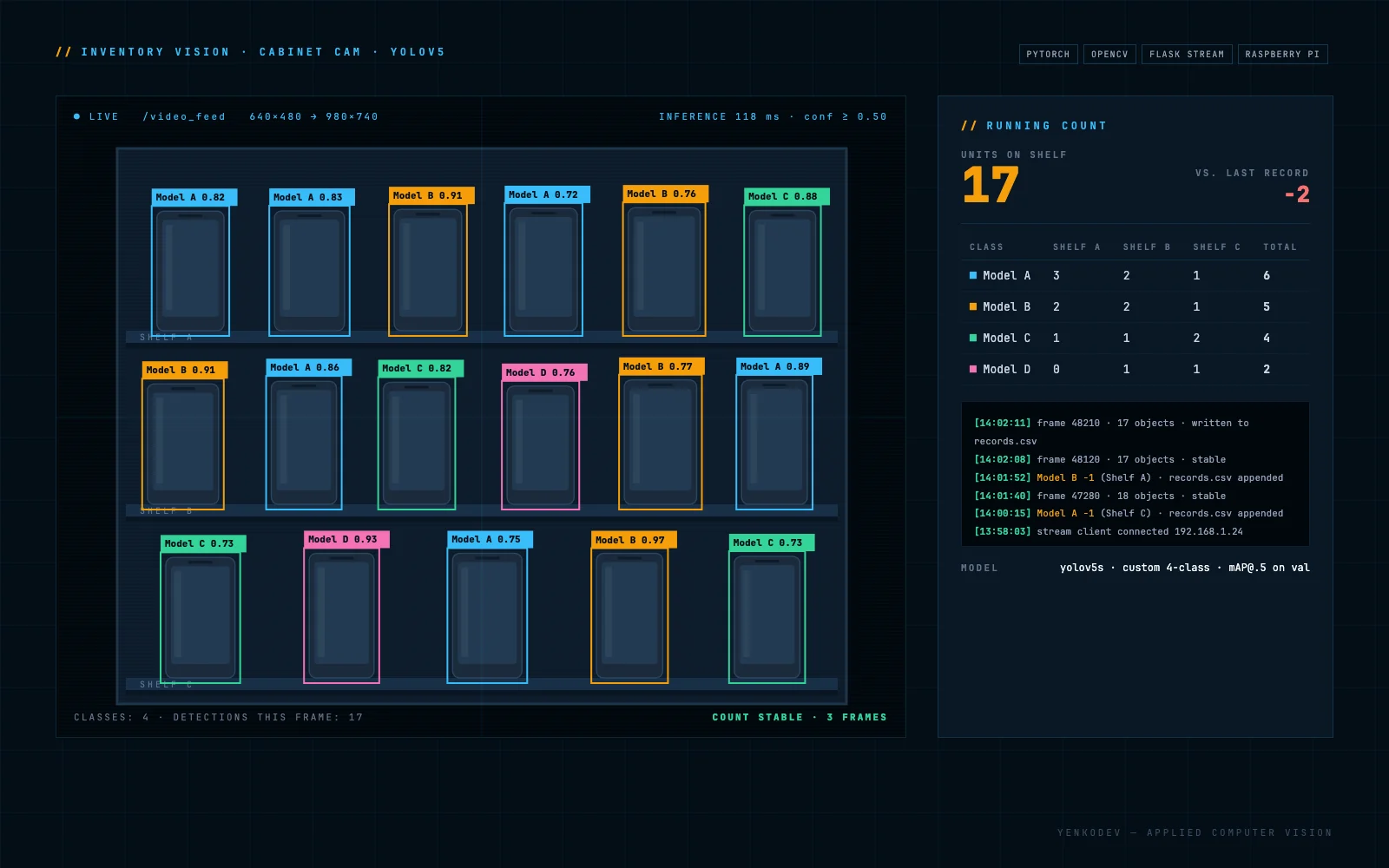
AI Assistants
Counting stock by hand is tedious and easy to get wrong, and the numbers drift out of date the moment someone forgets to log a change. A two-student capstone team set out to test whether a camera and a detection model could keep a running tally of phones in a storage cabinet with nobody touching a clipboard.
Client Confidential
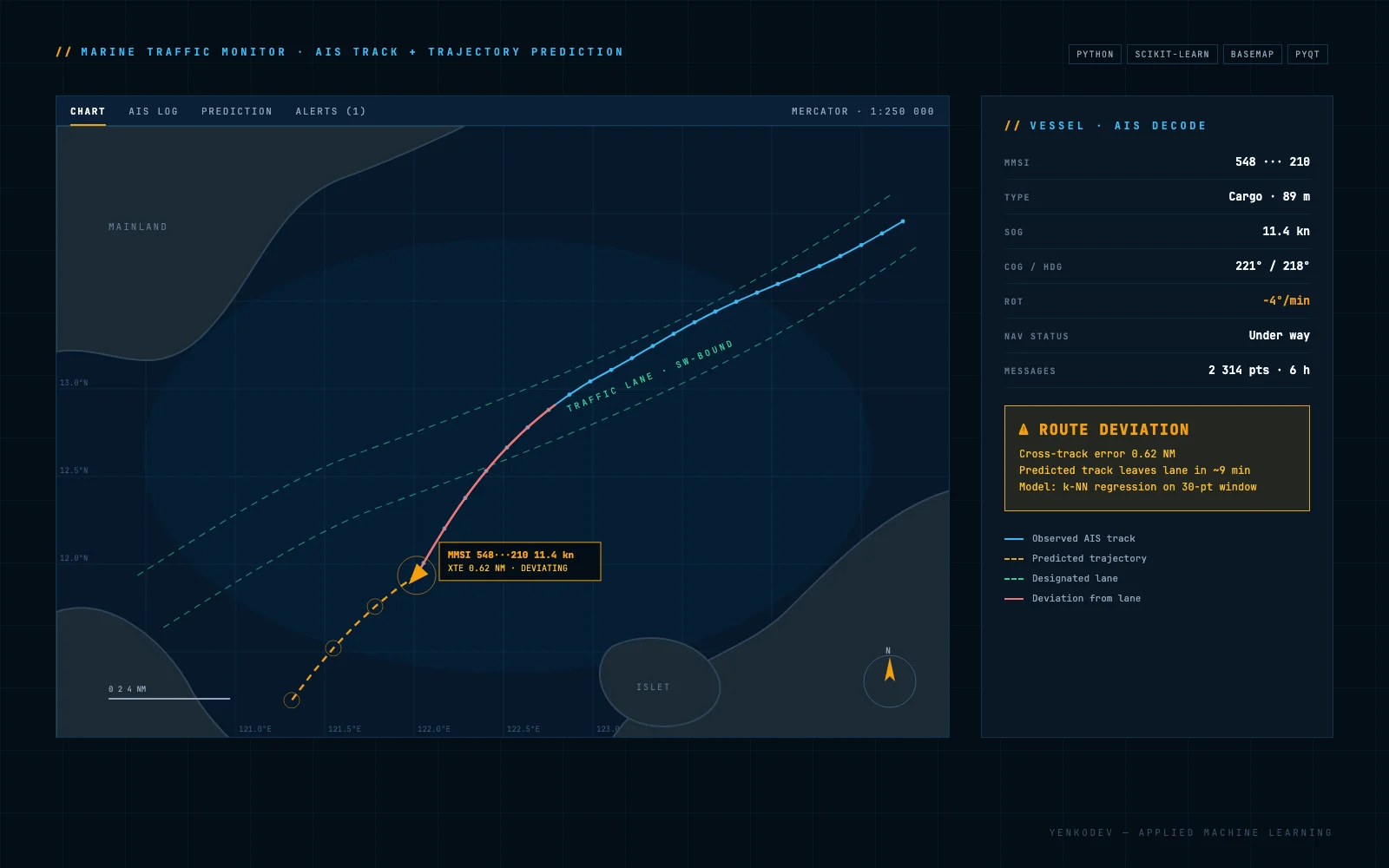
AI Assistants
On busy marine highways, a vessel wandering off its designated route can turn into a collision or grounding fast. Spotting that drift early, across many ships moving at once, is a hard monitoring problem that human operators can't watch continuously.
Client Confidential
A published sample. Most of our work is under client confidentiality and doesn't appear on this site.
If you've brought in outside engineers before, you know where it goes wrong: the senior on the sales call isn't the one doing the work, the code lives in someone else's account, the price moves, and your data is shared before anything is signed. So those four go in writing first.
On the first call, you meet the senior engineer who will lead the work, by name. They stay accountable for all of it to the end, including work by any developer we bring in. No handoff to a stranger once the contract is signed.
You own the code the moment it's written, not when the final invoice clears. It lives in your repository, under your account, documented so any developer can pick it up. No lock-in, and nothing held hostage.
It can be a fixed price, hourly, or a fixed monthly fee, whichever fits the work. You see the number and how it's billed before you commit, and it doesn't change unless you agree to the change first.
Ask and we'll sign yours, or send ours, before you share a repository, a database, or a business plan. We'd rather do the paperwork first than ask you to trust us with it.
Tell us what it has to do.
A few lines is enough. Every brief is read by a senior engineer, the same person who would do the work.